
Key Forex & Commodity Market Developments - August 14,2025.

Forex Markets
1. US Dollar Weakens on Fed Rate-Cut Expectations
The U.S. dollar is trading near multi-week lows against the euro, sterling, and yen. Traders increasingly expect the Fed to begin cutting interest rates, possibly by half a percentage point at the September meeting.
Treasury Secretary Scott Bessent has publicly advocated for aggressive easing, further weakening the dollar.
2. Indian Rupee on Watch
The Indian rupee is holding steady (~₹87.44–₹87.46 per USD) ahead of a high-profile U.S.–Russia summit in Alaska, which has traders cautious.
The RBI has likely intervened to support the rupee — selling an estimated US$5–6 billion offshore within the past two weeks.
3. Forex Volatility and Technical Trends
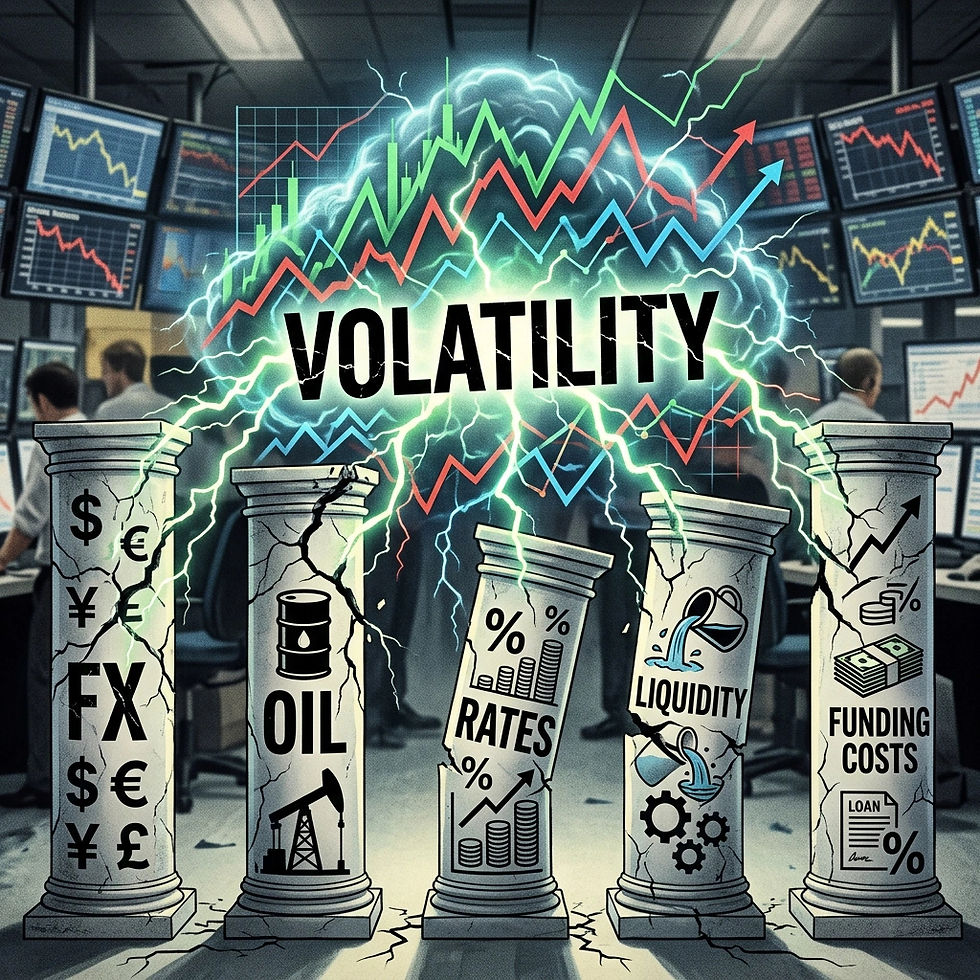
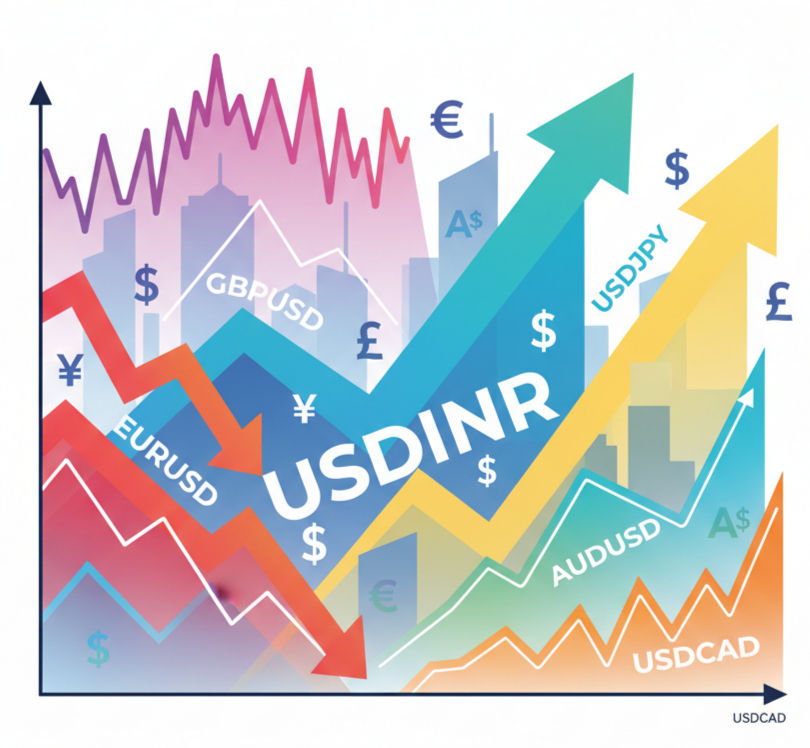
Forex markets are showing heightened volatility amid persistent inflation in key economies, monetary surprises (like RBA’s dovish stance), and trade tensions. Dollar pairs are swinging.
Technical charts suggest EUR/USD is tracing an inverted "Head and Shoulders" pattern with a short-term bullish bias from around 1.1622; resistance near 1.1755 and potential downside to 1.1515.
GBP/USD surged to ~1.3525 as the dollar weakened, with short-term trading strategies suggesting entry and exit zones.
4. Seasonal Trends & Upcoming Catalysts
August typically brings thinner liquidity and amplified moves, with markets awaiting cues from central banks and geopolitical developments.
This coming week, key macro data—including Fed minutes, PMIs, and speeches from the Jackson Hole Symposium—could steer currency trends.
What This Means for Forex Traders
Currency Pair | Near-Term Outlook | Catalysts to Watch |
EUR/USD | Tentatively bullish toward ~1.1755, but snapback risks exist | RSI reversals, pattern breakouts |
GBP/USD | Strong rally, potential buy zone if dip occurs | Dollar legs, inflation updates |
INR/USD | Stabilizing around ~₹87.45, but fragile | U.S.–Russia summit outcome, RBI interventions |
USD broadly | Softening across most majors | Fed cues, inflation data, global risk appetite |
Summary Summary
Dollar weakness is the headline — driven by dovish Fed expectations and dovetailed calls from U.S. policymakers.
Emerging currencies like the rupee are getting active support as geopolitical risks loom.
Forex volatility is elevated, shaped by policy surprises and seasonal flow patterns.
Technical setups (EUR/USD, GBP/USD) are offering actionable triggers — but central bank communications and macro surprises remain key.
Commodity Markets
1. Rice Prices Plummet to an Eight-Year Low
Rice — especially the global benchmark Thai 5% broken white rice — has seen a steep decline, dropping 26% since late 2024 to about $372.50 per tonne. The UN FAO’s Rice Price Index is down 13% in 2025, mainly due to record harvests in India (again underway for 2024–25) and lifted export bans, compounded by strong production in Thailand and Vietnam and weaker demand from major importers like Indonesia and the Philippines.
→ Impact: While consumers benefit from lower prices, farmers—particularly those without price supports—are facing serious income pressure.
2. China Slaps Hefty Duties on Canadian Canola
China implemented provisional anti-dumping duties of 75.8% on Canadian canola imports, cutting off nearly C$5 billion worth of Canada-to-China canola trade. Futures immediately slid over 6%, as this moves Canada’s #1 canola market into jeopardy.
→ Impact: Canadian farmers and commodity funds holding long positions face sharp losses, while global sourcing dynamics will be disrupted.
3. Oil Market: Oversupply Meets Geopolitical Tension
The International Energy Agency (IEA) raised its 2025 oil supply forecast to a 2.5 million barrels per day increase, up from the prior 2.1 million bpd, citing OPEC+ supply hikes. Simultaneously, global demand forecasts were lowered due to sluggish growth.
Yet, oil has rebounded modestly from two-month lows: Brent crude rose to $65.91/bbl, and WTI lifted to $62.89/bbl. Markets are factoring in geopolitical risk premiums, particularly ahead of the Trump–Putin summit on Ukraine peace, where threats of sanctions linger.
Over in India, fundamentals point to a bearish outlook—OPEC+ production hikes and U.S. output increases signal weaker prices. But technical charts are hinting at short-term bullish patterns, creating a tangled narrative for traders.
4. Broader Trend: Commodities Set to Ease Further
According to the World Bank’s Commodity Markets Outlook, commodity prices are forecast to fall 12% in 2025 and an additional 5% in 2026, returning to pre-pandemic levels. Risks remain, especially for developing economies dependent on commodity exports. Gold buckles the trend — projected to hit record highs in 2025 amid geopolitical uncertainty, before stabilizing in 2026.
What This Means for India and You
Agriculture & Agri-comms: Plummeting rice prices globally ease food inflation but strain incomes for Indian farmers—especially those outside core MSP-backed zones.
Crude & Energy: Indian fuel markets may benefit from lower global oil prices, but volatility remains ahead of geopolitical developments.
Metals & Others: While not headline news today, with gold expected to rally and other metals facing global supply pressures, India's bullion market may see ripple effects.
Quick Takeaways
Commodity | Current Trend | Key Drivers |
Rice | Sharp decline to 8-year low | Global supply surge, reduced import demand |
Canola | Heavy drop due to Chinese tariffs | Trade retaliation, oversupply concerns |
Oil | Modest rebound over oversupply fears | Geopolitical risk, OPEC+/IEA dynamics |
Commodities (General) | Expected to continue softening | Slower global growth, surging supply |
Gold | Set for record highs | Safe-haven demand amid global uncertainty |
Disclaimer: The information provided herein is for general informational purposes only and does not constitute investment, trading, or financial advice. While the data and analysis are sourced from publicly available, reputed sources believed to be reliable, no representation or warranty is made regarding its accuracy, completeness, or timeliness. Market conditions are inherently volatile, and past performance is not indicative of future results. Any reliance you place on this information is strictly at your own risk. Before making any investment or trading decisions, you should consult with a qualified financial advisor and consider your individual objectives, financial situation, and risk tolerance.

Comments